

How to Report Someone Driving Without Insurance in 2026 [7 Steps to Follow]
To report someone driving without car insurance, gather details like the vehicle’s plate number and accident location. Check with your DMV, contact the police, file a complaint, notify your insurance, and follow up. Get uninsured motorist coverage from $35/month to protect yourself in these situations.
Read more





Table of Contents
Table of Contents

Insurance and Finance Writer
Luke Williams is a finance, insurance, real estate, and home improvement expert based in Philadelphia, Pennsylvania, specializing in writing and researching for consumers. He studied finance, economics, and communications at Pennsylvania State University and graduated with a degree in Corporate Communications. His insurance and finance writing has been featured on Spoxor, The Good Men Project...
Luke Williams

Licensed Insurance Producer
Dani Best has been a licensed insurance producer for nearly 10 years. Dani began her insurance career in a sales role with State Farm in 2014. During her time in sales, she graduated with her Bachelors in Psychology from Capella University and is currently earning her Masters in Marriage and Family Therapy. Since 2014, Dani has held and maintains licenses in Life, Disability, Property, and Casualt...
Dani Best
Updated February 2025
If you’re wondering how to report someone driving without car insurance, you can take action starting with rates as low as $35/month for uninsured motorist coverage. The process includes gathering key details, contacting your local DMV, and notifying your insurance company.
You may also need to file a complaint and follow up with the authorities. Make sure you’re protected by securing the right coverage for peace of mind in case of an accident with an uninsured driver. Compare car insurance by coverage type to find the best policy for your needs.
Understanding how insurance works can feel complicated, but finding affordable rates doesn’t have to be. Enter your ZIP code above for the best insurance rates possible.
- Step #1: Gather Information – Collect data or facts systematically
- Step #2: Check With Your Local DMV – Consult your nearby DMV office
- Step #3: Call the Police – Contact authorities for assistance immediately
- Step #4: File a Complaint – Submit grievance or report issue
- Step #5: Notify Your Insurance Company – Contact your insurance provider
- Step #6: Follow Up – Check back or continue communication
- Step #7: Get Uninsured Motorist Coverage – Obtain uninsured motorist protection
7 Steps to Report Someone Driving Without Insurance
You are probably understandably angry and frustrated when you learn that someone is driving without insurance. While you want to report this uninsured person anonymously, you might not know how. Read on for advice on who to contact about this person and other related information.
Instead, contact your local Department of Motor Vehicles to see if it has a procedure for reporting uninsured drivers. A representative may ask you to call a hotline or complete a complaint form online. Read our article here to learn what happens if an uninsured friend wrecks your car.
Step #1: Gather Information
When reporting an uninsured driver, gather as much information as possible. Start by noting the vehicle’s license plate number, make and model, color, and VIN if visible, as these details help identify the vehicle and track its registration. Record the driver’s name, driver’s license number, and if applicable, a physical description if the driver is unknown or fled the scene.
Document the date and time of the incident, the location with street names and landmarks, and a description of the accident, including who was at fault, any injuries, and visible damage. If possible, take photos or videos of the vehicle, accident scene, and damages, and collect witness contact information to support your report.
If the driver claims insurance but cannot provide proof, ask for the details, and report them if they are uninsured, as driving without insurance is illegal in most states. Finally, contact your insurance company immediately with all the collected information to file a car insurance claim and utilize your uninsured motorist coverage.
Step #2: Check With Your Local DMV
Reach out to your local Department of Motor Vehicles (DMV) to learn about the specific process for reporting uninsured drivers in your state. Many DMVs have dedicated hotlines or online forms where you can submit a report.
These forms often ask for details like the vehicle’s license plate number, the driver’s description, and the incident’s nature. In some cases, the DMV may already know the driver’s uninsured status through the vehicle registration system, as most states require insurance verification in accordance with minimum car insurance requirements by state.
It’s also possible that the DMV has internal checks or notifications in place to monitor and enforce insurance compliance. By contacting them, you can confirm whether the driver is already flagged in their system and find out if further action is required on your part.
Step #3: Call the Police
If you encounter an uninsured driver or are involved in an accident with one, it’s important to assess the situation to determine if police involvement is necessary. While reporting to the police may not be required for every incident, it becomes crucial in certain situations:
- Accidents With Injuries: If the accident involves any injuries, whether minor or severe, call the police immediately. They will document the incident, provide an official report, and create a legal record of the accident. This report will be useful when filing insurance claims or if you need to pursue legal action later.
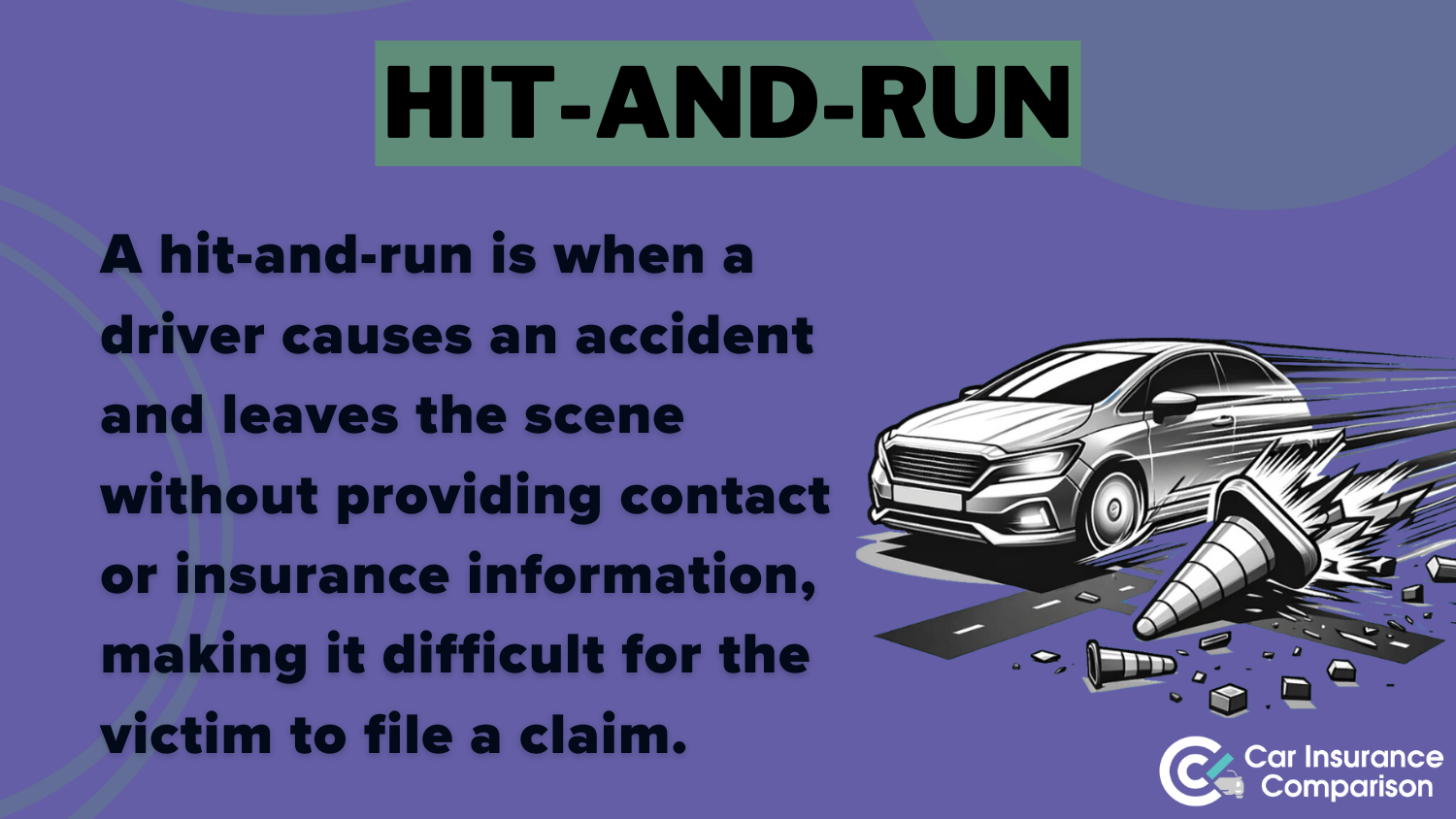
- Hit-and-Run Accidents: If the uninsured driver flees the scene, contact the police as soon as possible. A hit-and-run is a serious crime, and the police will help track down the responsible party. Providing detailed information such as the make, model, color, and license plate number (if available) will assist authorities in their investigation.
- Traffic Violations or Dangerous Driving: If the uninsured driver is engaging in reckless or unsafe driving, such as speeding, weaving through traffic, or running red lights, the police should be called to prevent further risk to public safety. The police can stop the driver and potentially issue citations or warnings, documenting their dangerous behavior.
- Road Rage or Aggressive Behavior: If the uninsured driver becomes verbally or physically aggressive, calling the police is advisable to prevent escalation. Law enforcement can intervene to de-escalate the situation and ensure that all parties remain safe.
In any of these situations, the police can play an essential role in documenting the incident, filing an official report, and assisting with the legal process.
Even if the uninsured driver is not directly breaking the law, police involvement may be necessary for your protection and to ensure that the proper procedures are followed for insurance claims or legal action. How do the police check for car insurance? Police may verify coverage through state databases or by requesting proof of insurance directly from the driver, ensuring compliance with legal requirements.
Step #4: File a Complaint
To file a complaint about someone driving without insurance, contact your state’s DMV or insurance commissioner. Provide details like the driver’s license plate, vehicle make and model, and the incident’s date, time, and location. You can also compare car insurance rates by vehicle make and model.
To file a complaint about an uninsured driver, contact your state’s DMV or insurance commissioner, provide accurate details, and follow up to ensure the report is processed.
Many states offer a dedicated hotline or online reporting form for uninsured drivers, which allows for anonymous submissions. Ensure you provide accurate information about the incident, and if applicable, include evidence such as photos, videos, or witness statements.
After submitting the report, follow up with the agency to confirm it has been processed, though results may take time as investigations rely on existing DMV records. While filing a complaint may not immediately affect the driver, it can prompt necessary actions, such as penalties or a request for proof of insurance.
Step #5: Notify Your Insurance Company
If you are involved in an accident with an uninsured driver, it’s crucial to notify your insurance company immediately. Understanding car accidents and providing your insurer with all relevant details, such as the other driver’s contact information, vehicle details, accident location, and any evidence like photos or witness information, can help expedite the claims process.
Ensure you have uninsured motorist (UM) or underinsured motorist (UIM) coverage on your policy, as these types of coverage protect you in such situations. Your insurance company will guide you through the claims process, which may include covering vehicle repairs, medical expenses, and rental cars if applicable.
Keep track of medical bills and records if you’ve been injured, and stay in regular contact with your insurer to follow up on your claim. Be aware of any deductibles or additional costs, and review any settlement offers carefully. If needed, consider legal action if you are unable to recover costs through insurance.
Step #6: Follow Up
After reporting an uninsured driver, it’s crucial to follow up to ensure the issue is properly addressed. Start by confirming that your report has been received by the relevant authorities, such as the DMV or local law enforcement, and request a reference number or confirmation email.
Inquire about the investigation status and any fines or penalties, including traffic tickets that raise car insurance rates. Be ready to provide additional documentation and track the uninsured driver’s registration status through the DMV.
To report someone driving without car insurance, gather essential details like the vehicle's license plate and contact your local DMV or law enforcement for guidance.
Brad Larson Licensed Insurance Agent
Keep your insurance company informed of any updates, particularly if the incident involved an accident, so they can assist with processing your claim. Finally, stay aware of the possible outcomes, which may vary depending on local laws, and review your own insurance coverage to ensure adequate protection against future incidents involving uninsured drivers.
Step #7: Get Uninsured Motorist Coverage
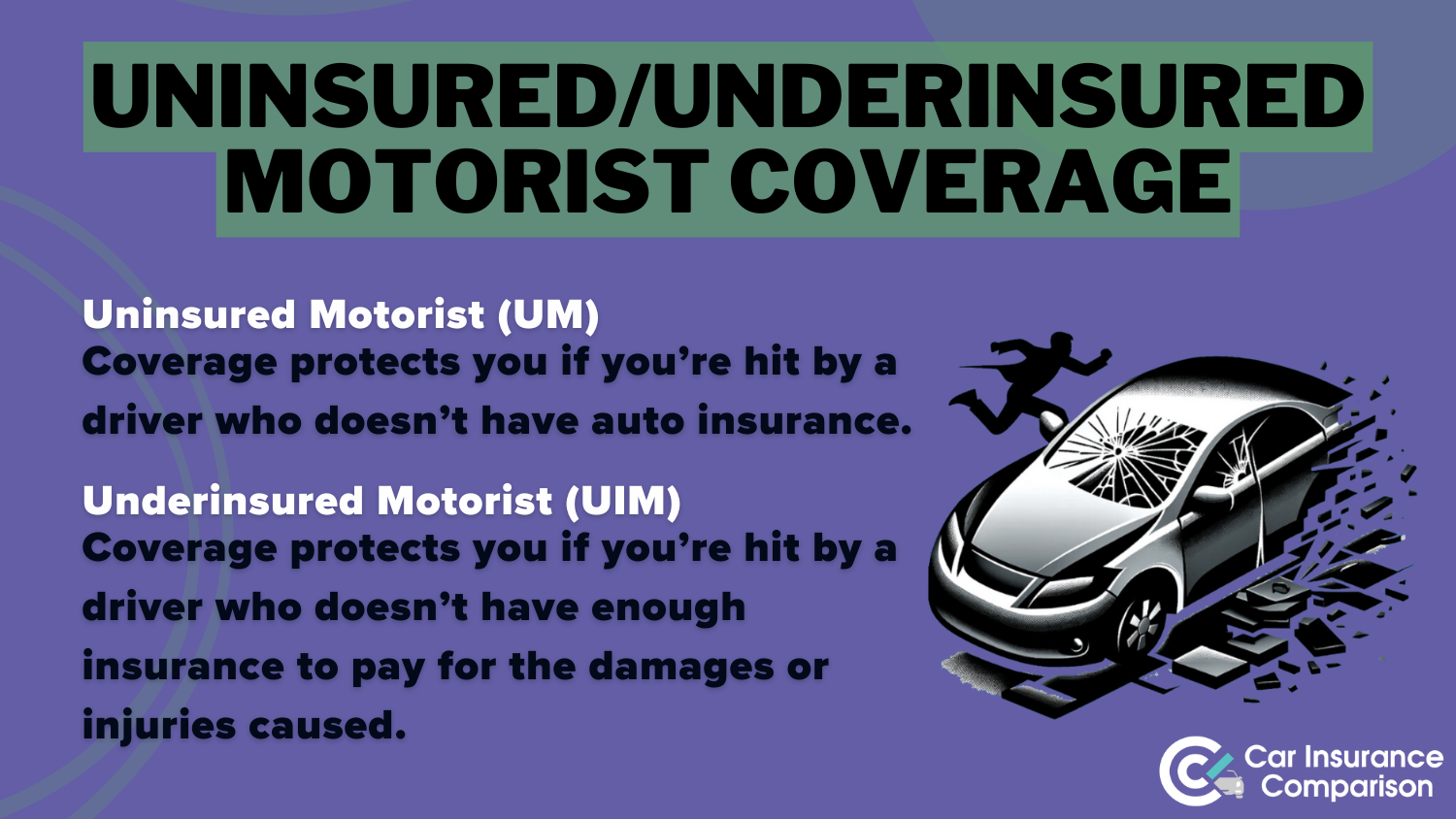
Uninsured and underinsured motorist coverage is essential for protecting yourself financially if you’re involved in an accident with a driver who doesn’t have insurance. This coverage can help pay for medical expenses, vehicle repairs, lost wages, and even pain and suffering resulting from the accident.
In some states, UM coverage is mandatory, while in others it’s optional, but it’s highly recommended regardless of state laws. Additionally, consider adding Underinsured Motorist (UIM) coverage for further protection if the at-fault driver has insufficient insurance.
To add UM coverage, contact your insurer, review your policy, and select coverage limits that match your needs, based on factors like medical costs, vehicle value, and the number of uninsured drivers in your area. While it may increase your premiums slightly, UM coverage offers peace of mind knowing you’re financially protected in the event of an accident with an uninsured driver.
Free Insurance Comparison
Compare Quotes From Top Companies and Save
State-by-State Consequences of Driving Without Insurance
Driving without insurance can result in serious consequences that vary by state. These can include fines, license suspensions, vehicle impoundment, and in some cases, jail time, particularly for repeat offenders. Fines typically range from as low as $50 to as high as $2,500 depending on the state.
Consequences of Driving Without Insurance by State
| State | Potential Consequences | Fines | License Suspension | Vehical Impoundment | Jail Time |
|---|---|---|---|---|---|
| Alabama | Registration suspension; possible jail time for repeat offenders | $500 | ✅ | ✅ | ✅ |
| Alaska | License suspension; vehicle impoundment | $500 | ✅ | ✅ | ✅ |
| Arizona | License and registration suspension; SR-22 requirement | $500 | ✅ | ✅ | ✅ |
| Arkansas | Registration suspension; possible jail time for repeat offenders | $250 | ✅ | ✅ | ✅ |
| California | Vehicle impoundment; increased fines for repeat offenses | $200 | ✅ | ✅ | ✅ |
| Colorado | License suspension; SR-22 requirement; community service for repeat offenders | $500 | ✅ | ✅ | ✅ |
| Connecticut | License and registration suspension; vehicle impoundment | $1,000 | ✅ | ✅ | ✅ |
| Delaware | Vehicle impoundment; increased fines and possible jail time for repeat offenses | $1,000 | ✅ | ✅ | ✅ |
| District of Columbia | License suspension; vehicle impoundment; increased fines for repeat offenses | $150 | ✅ | ✅ | ✅ |
| Florida | License and registration suspension; vehicle impoundment; increased fines and possible jail time for repeat offenses | $500 | ✅ | ✅ | ✅ |
| Georgia | License suspension; vehicle impoundment; increased fines and SR-22 requirement for repeat offenses | $1,000 | ✅ | ✅ | ✅ |
| Hawaii | License suspension; vehicle impoundment; increased fines and possible jail time for repeat offenses | $500 | ✅ | ✅ | ✅ |
| Idaho | License suspension; vehicle impoundment; increased fines and possible jail time for repeat offenses | $75 | ✅ | ✅ | ✅ |
| Illinois | License suspension; vehicle impoundment; increased fines and possible jail time for repeat offenses | $1,000 | ✅ | ✅ | ✅ |
| Indiana | License suspension; vehicle impoundment; increased fines and possible jail time for repeat offenses | $100 | ✅ | ✅ | ✅ |
| Iowa | License suspension; vehicle impoundment; increased fines and possible jail time for repeat offenses | $250 | ✅ | ✅ | ✅ |
| Kansas | License suspension; vehicle impoundment; increased fines and possible jail time for repeat offenses | $1,000 | ✅ | ✅ | ✅ |
| Kentucky | License suspension; vehicle impoundment; increased fines and possible jail time for repeat offenses | $1,000 | ✅ | ✅ | ✅ |
| Louisiana | License suspension; vehicle impoundment; increased fines and possible jail time for repeat offenses | $1,000 | ✅ | ✅ | ✅ |
| Maine | License suspension; vehicle impoundment; increased fines and possible jail time for repeat offenses | $500 | ✅ | ✅ | ✅ |
| Maryland | License suspension; vehicle impoundment; increased fines and possible jail time for repeat offenses | $2,500 | ✅ | ✅ | ✅ |
| Massachusetts | License suspension; vehicle impoundment; increased fines and possible jail time for repeat offenses | $500 | ✅ | ✅ | ✅ |
| Michigan | License suspension; vehicle impoundment; increased fines and possible jail time for repeat offenses | $500 | ✅ | ✅ | ✅ |
| Minnesota | License suspension; vehicle impoundment; increased fines and possible jail time for repeat offenses | $1,000 | ✅ | ✅ | ✅ |
| Mississippi | License suspension; vehicle impoundment; increased fines and possible jail time for repeat offenses | $100 | ✅ | ✅ | ✅ |
| Missouri | License suspension; vehicle impoundment; increased fines and possible jail time for repeat offenses | $500 | ✅ | ✅ | ✅ |
| Montana | License suspension; vehicle impoundment; increased fines and possible jail time for repeat offenses | $500 | ✅ | ✅ | ✅ |
| Nebraska | License suspension; vehicle impoundment; increased fines and possible jail time for repeat offenses | ❌ | ✅ | ✅ | ✅ |
| Nevada | License suspension; vehicle impoundment; increased fines and possible jail time for repeat offenses | $1,000 | ✅ | ✅ | ✅ |
| New Hampshire | License suspension; vehicle impoundment; increased fines and possible jail time for repeat offenses | $125 | ✅ | ✅ | ✅ |
| New Jersey | License suspension; vehicle impoundment; increased fines and possible jail time for repeat offenses | $1,000 | ✅ | ✅ | ✅ |
| New Mexico | License suspension; vehicle impoundment; increased fines and possible jail time for repeat offenses | $300 | ✅ | ✅ | ✅ |
| New York | License suspension; vehicle impoundment; increased fines and possible jail time for repeat offenses | $1,500 | ✅ | ✅ | ✅ |
| North Carolina | License suspension; vehicle impoundment; increased fines and possible jail time for repeat offenses | $50 | ✅ | ✅ | ✅ |
| North Dakota | License suspension; vehicle impoundment; increased fines and possible jail time for repeat offenses | $150 | ✅ | ✅ | ✅ |
| Ohio | License suspension; vehicle impoundment; increased fines and possible jail time for repeat offenses | ❌ | ✅ | ✅ | ✅ |
| Oklahoma | License suspension; vehicle impoundment; increased fines and possible jail time for repeat offenses | $250 | ✅ | ✅ | ✅ |
| Oregon | License suspension; vehicle impoundment; increased fines and possible jail time for repeat offenses | $1,000 | ✅ | ✅ | ✅ |
| Pennsylvania | License suspension; vehicle impoundment; increased fines and possible jail time for repeat offenses | $300 | ✅ | ✅ | ✅ |
| Rhode Island | License suspension; vehicle impoundment; increased fines and possible jail time for repeat offenses | $500 | ✅ | ✅ | ✅ |
| South Carolina | Driving without insurance results in fines, license suspension, and possible jail time. | $400 | ✅ | Suspension until proof of insurance is provided | Yes, for repeat offenses |
| South Dakota | License suspension; vehicle impoundment; increased fines and possible jail time for repeat offenses | $500 | ✅ | ✅ | ✅ |
| Tennessee | License suspension; vehicle impoundment; increased fines and possible jail time for repeat offenses | $300 | ✅ | ✅ | ✅ |
| Texas | License suspension; vehicle impoundment; increased fines and possible jail time for repeat offenses | $350 | ✅ | ✅ | ✅ |
| Utah | License suspension; vehicle impoundment; increased fines and possible jail time for repeat offenses | $400 | ✅ | ✅ | ✅ |
| Vermont | License suspension; vehicle impoundment; increased fines and possible jail time for repeat offenses | $1,000 | ✅ | ✅ | ✅ |
| Virginia | License suspension; vehicle impoundment; increased fines and possible jail time for repeat offenses | $500 | ✅ | ✅ | ✅ |
| Washington | License suspension; vehicle impoundment; increased fines and possible jail time for repeat offenses | $550 | ✅ | ✅ | ✅ |
| West Virginia | License suspension; vehicle impoundment; increased fines and possible jail time for repeat offenses | $1,000 | ✅ | ✅ | ✅ |
| Wisconsin | License suspension; vehicle impoundment; increased fines and possible jail time for repeat offenses | $500 | ✅ | ✅ | ✅ |
| Wyoming | License suspension; vehicle impoundment; increased fines and possible jail time for repeat offenses | $100 | ✅ | ✅ | ✅ |
Many states also require proof of insurance for the reinstatement of your registration or license, and some impose additional penalties for repeat offenses. Whether you’re in Alabama or Wyoming, failing to maintain car insurance can lead to costly and severe penalties that may impact your driving privileges and financial stability.
To avoid costly fines, suspension of your driving privileges, or even jail time, it’s essential to stay informed about the insurance requirements in your state. Understanding car insurance codes and laws will help you navigate these requirements effectively. Always ensure that you have the necessary coverage to protect yourself and comply with state laws, helping you stay on the road legally and safely.
Reasons Why Some Drivers Choose to Drive Without Car Insurance
If you encounter an uninsured driver or vehicle, you may wonder how to report a car with no insurance or how to report someone driving without insurance. In many cases, reporting an uninsured vehicle can be done through your local DMV, as they often have procedures in place for uninsured driver reporting.
You can report an uninsured driver to DMV by providing key details such as the vehicle’s license plate, make, and model. If you also encounter a driver without a license, it’s essential to understand how to report someone driving without a license in California or any other state.
Many states allow citizens to report an uninsured car on the road through hotlines or online forms. If you’re asking, can you report someone for driving without insurance, the answer is yes. You should reach out to the relevant local authority to ensure proper action is taken.
In other cases, someone may have lost track of when their policy expires and accidentally allowed it to lapse. Granted, drivers should know when their insurance policy expires and be responsible for paying the premiums on time by learning how to check their car insurance expiration date.
Sometimes, drivers may not realize their policy has lapsed, as the DMV’s reminder system can take time. If an insurer cancels a policy, it notifies the DMV, which then sends a letter to the driver. This process can cause delays in alerting the driver about their lapsed insurance.
Reporting an Uninsured Driver and Protecting Yourself
Reporting someone driving without insurance involves several steps to ensure you are protected and the situation is addressed legally. Start by gathering essential details like the driver’s license plate number, accident location, and any available witness information.
Check with your DMV for the reporting process and contact the police if needed. File a complaint with the DMV or insurance commissioner and notify your insurance company if involved in an accident. Follow up to ensure action is taken, and consider adding uninsured motorist coverage for future protection.
Avoid expensive premiums by using our free comparison tool below to find the lowest rates possible.
Frequently Asked Questions
How to report an uninsured car?
To report an uninsured car, gather key information like the vehicle’s license plate, make, model, and location of the incident, then contact your local DMV or law enforcement.
How do I report someone driving without a license?
If you encounter someone driving without a license, contact local authorities to report the situation, providing details like the driver’s description, vehicle information, and the circumstances of the encounter.
What is the duty of a driver in case of an accident?
After an accident, a driver must stop their vehicle, provide their information to other parties involved, report the accident to authorities if required, and seek medical assistance if necessary. Additionally, drivers should compare accident forgiveness car insurance to see if they are eligible for coverage that may prevent their first accident from impacting their premium.
Can you report someone who is driving around without insurance?
Yes, you can report someone driving without insurance by contacting your state’s DMV or using a dedicated hotline or online form to submit the vehicle’s details and other relevant information.
What is the uninsured driver protection?
Uninsured driver protection is insurance coverage that helps pay for your medical bills, vehicle repairs, and other expenses if you’re involved in an accident with an uninsured driver. See how much you could save on coverage by entering your ZIP code into our free quote comparison tool below.
What’s important to do in case you’re involved in a collision?
When involved in a collision, it is important to stay calm, check for injuries, call the police, gather information from all parties involved, and notify your insurance company. Additionally, be sure to compare collision car insurance options to ensure you’re adequately covered for the damage to your vehicle in such situations.
What should you do if the owner of the vehicle you hit is not around their vehicle?
If you hit a vehicle and the owner is not present, leave a note with your contact information and report the incident to the police, so they can document the damage.
What is the best protection against uninsured drivers?
The best protection against uninsured drivers is to have uninsured motorist coverage (UM), which ensures you are covered for damages and injuries caused by a driver without insurance.
What happens if you have no insurance but the other driver was at fault?
If you have no insurance and the other driver is at fault, you may face fines, license suspension, and be required to pay for damages. You might also explore how to settle an auto accident without an insurance company, though this could involve direct negotiation or legal help.
Can you report someone driving without insurance anonymously?
Yes, in many states, you can report someone driving without insurance anonymously through hotlines or online reporting forms provided by the DMV or other authorities.
What are the immediate steps to take following the accident?
Related Articles
-
Sep 2024

Honor Roll Car Insurance Discounts [2026]
-
Oct 2024
How do you get the lowest down payment on car insurance?
-
Oct 2024
Does car insurance cover stolen items?
-
Dec 2024

How do you get an Erie car insurance quote online?
-
Oct 2024
How do you get keys locked in a car?
-
Jul 2026
Geico DriveEasy App Review: Compare Rates, Discounts, & Requirements [2026]

Get a FREE Quote in Minutes
Insurance rates change constantly — we help you stay ahead by making it easy to compare top options and save.